
When you plan a new building — a home, a garden office, a rental unit or a small commercial space — the first decision is not the floor plan. It is the construction method. Should you buy a container house, a modular home, or build traditionally? Each option has real trade-offs in cost, speed, durability and flexibility. This guide compares all three so you can choose with confidence.
The three options at a glance
| Criterion | Container house | Modular home | Traditional build |
|---|---|---|---|
| Construction time | Weeks (factory) + days (site) | Weeks to months (factory) + weeks (site) | Months to years |
| Initial cost | Low to medium | Medium | Highest |
| Customization | Good within unit footprint | Very good | Unlimited |
| Relocatability | Excellent | Possible with planning | No |
| On-site labor | Minimal | Moderate | High |
| Typical permits | Simpler for temporary use | Varies by region | Full building permits |
Container houses: pros and cons
Pros
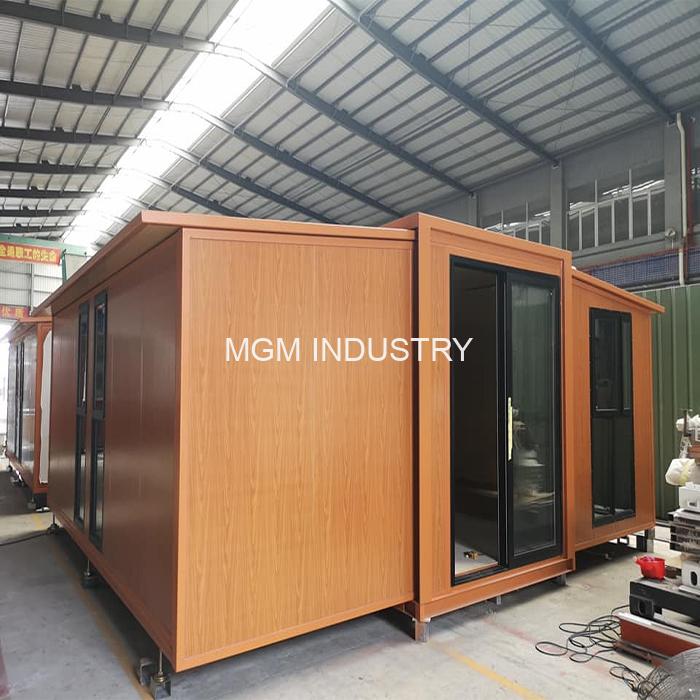
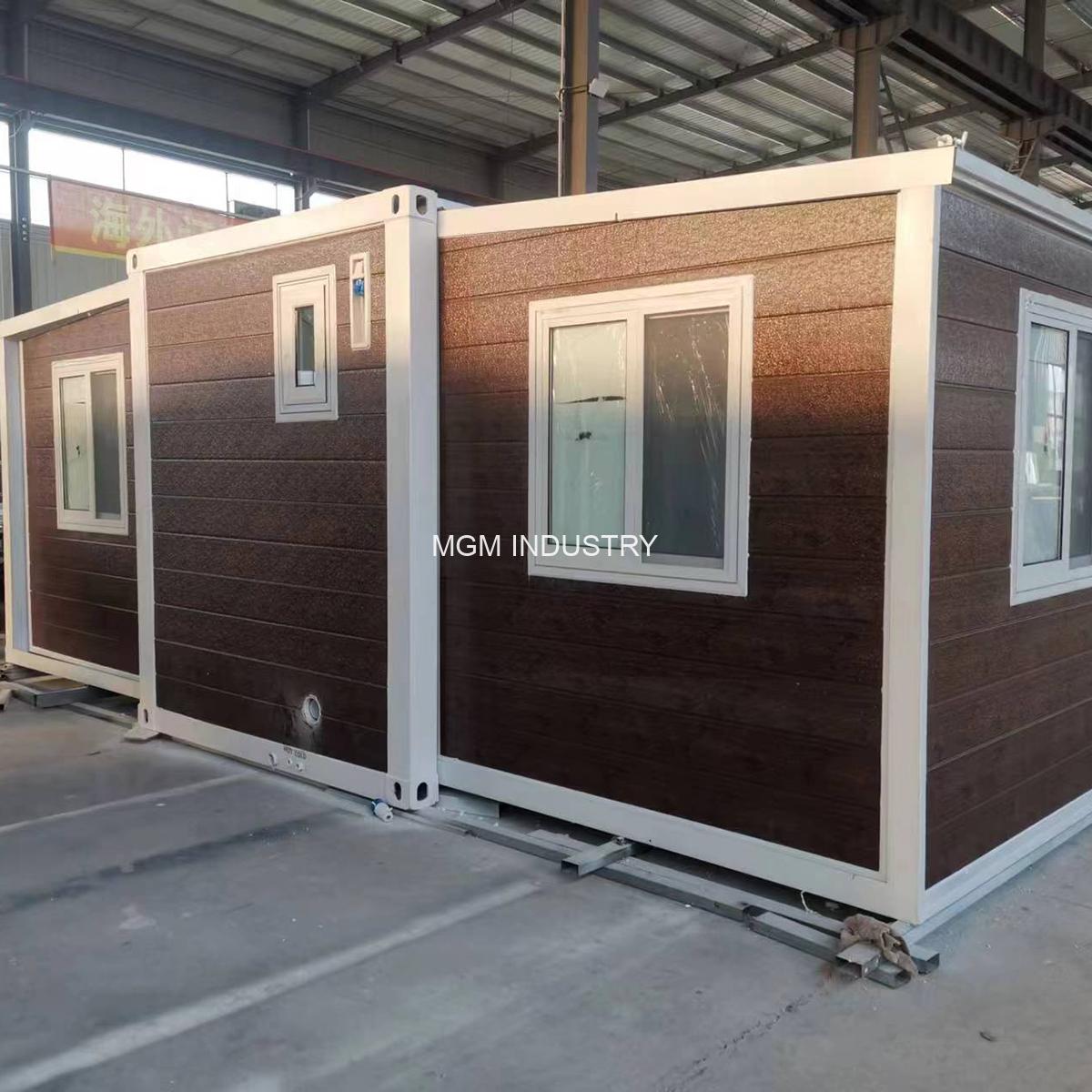
- Fastest to deliver. A fitted unit can be produced in weeks and installed in days.
- Relocatable. Move it when your needs change — ideal for projects, camps and temporary sites.
- Predictable quality. Built in a factory under controlled conditions, not subject to weather on site.
- Cost-effective. Lower cost per square meter than conventional building for most uses.
Cons
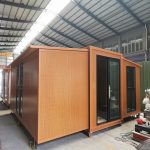
- Fixed module width. Standard container width (about 2.4 m) limits room layouts unless you use expanded or multi-unit designs.
- Local codes. Permanent residential use may face zoning or building-code questions in some areas.
Modular homes: pros and cons
Pros
- Highly customizable. Modules can be arranged into nearly any floor plan and combined into multi-story buildings.
- Factory quality. Consistent workmanship, insulation and finishes.
- Energy efficiency. Modern modular homes can meet passive-house-level performance.
Cons
- Higher upfront cost than a container solution for equivalent space.
- More site work than containers — foundations, craneage and connections.
- Less relocatable once fully assembled and connected.
Traditional construction: pros and cons
Pros
- Unlimited design. Any architect can design any form.
- Local familiarity. Local contractors, materials and financing are well established.
- Permanent feel and long service life with proper maintenance.
Cons
- Slowest and most expensive. Labor, weather delays and change orders drive cost and schedule risk.
- Wasteful. On-site construction generates significant material waste.
- Quality varies with the skill of local crews.
Which should you choose?
There is no universal winner — only the best fit for your situation:
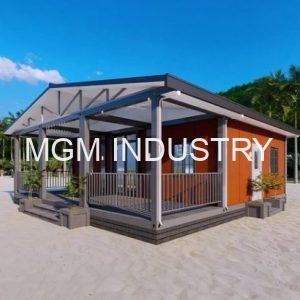
- Choose a container house when speed, budget and the option to relocate matter most: camps, site offices, glamping units, backyard studios, guest houses.
- Choose a modular home when you want a permanent, energy-efficient, customized house delivered faster than a traditional build.
- Choose traditional construction when design freedom is the priority and time and budget allow it.
Many buyers start with one container unit to test a site, then expand with more units or a modular building as the project grows. That flexibility is exactly why prefabricated solutions are growing so fast worldwide.
FAQ
Is a container house cheaper than a traditional house?
Usually yes, per square meter, especially when you count time and on-site labor. A factory-built container can be produced and installed far faster than a conventional build of the same size.
Can container houses be combined into larger buildings?
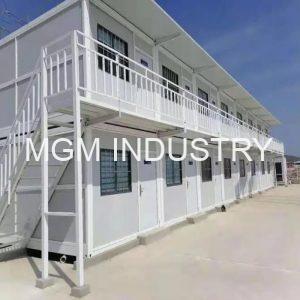
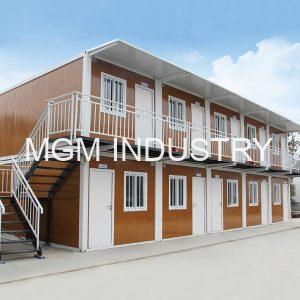
Yes. Units can be stacked or joined side by side into multi-room houses, office blocks and dormitories with proper structural connections and roofing.
Are modular homes suitable for permanent residences?
Yes, in most regions with the right permits and foundations. Many modern modular homes are designed to meet or exceed local building standards.
Get a recommendation for your project
Tell MGM what you are building — a home, a camp, an office or a resort — and get a recommendation plus a detailed quotation. MGM INDUSTRY LIMITED manufactures container houses, modular buildings and PEB structures, with projects exported to more than 50 countries.
- WhatsApp: +86 170 766 13145
- Email: [email protected]
Contact us or explore the prefabricated building products.